Koepp discusses working with Spielberg and what he hopes viewers will take from the film.
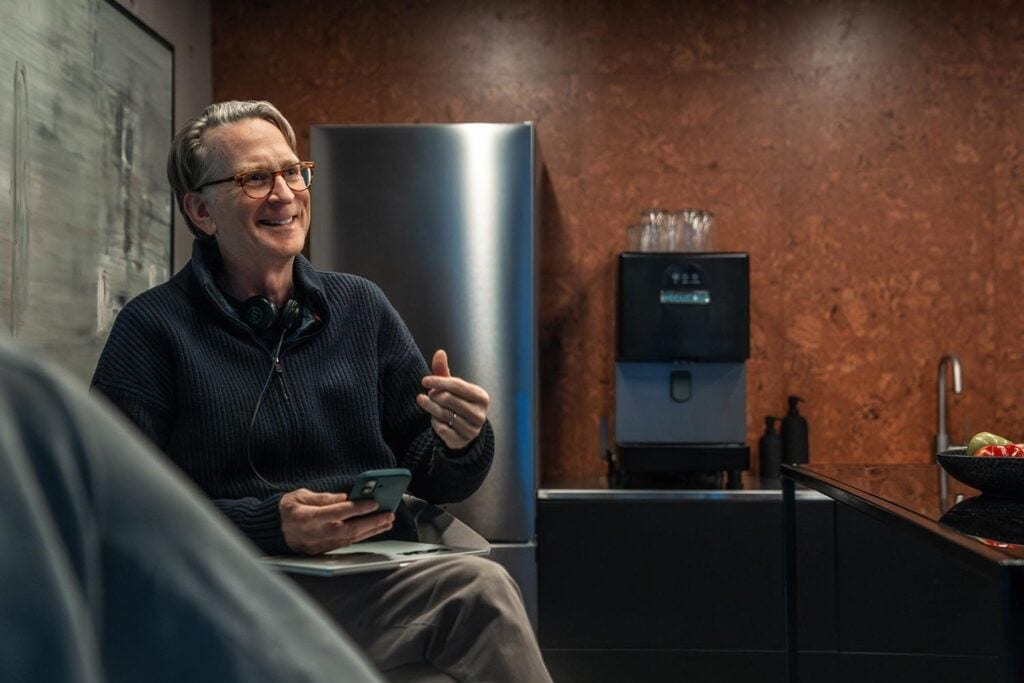

Koepp discusses working with Spielberg and what he hopes viewers will take from the film.
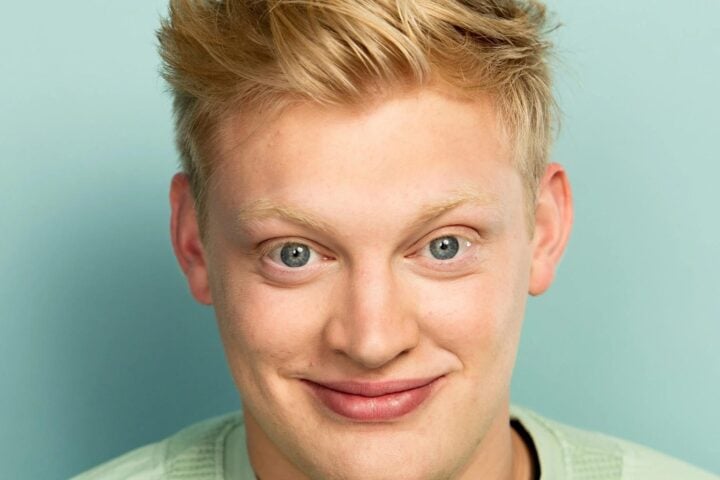
Barker discusses the careful balance of comedy and horror across his sophomore feature.
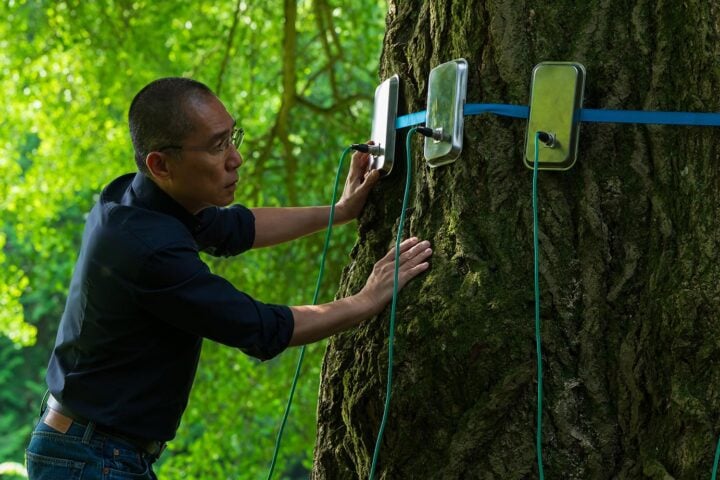
The acting legend discusses how he’s been changed by connecting to the consciousness of plants.
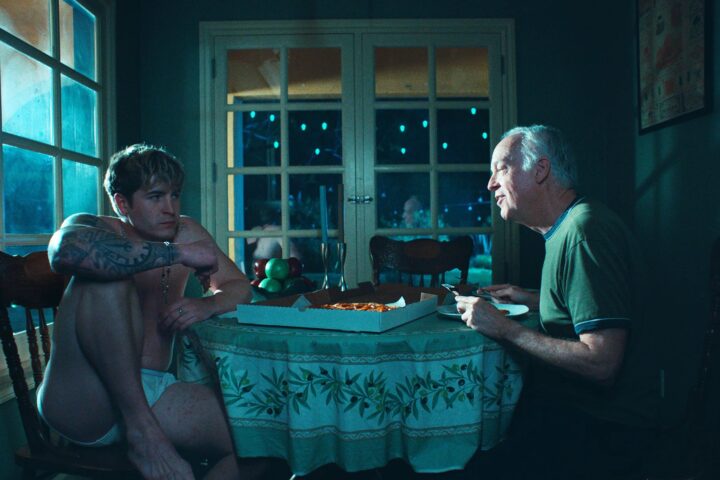
Tuttle discusses directing Kieron Moore and Reed Birney, the film’s rich subtext, and more.
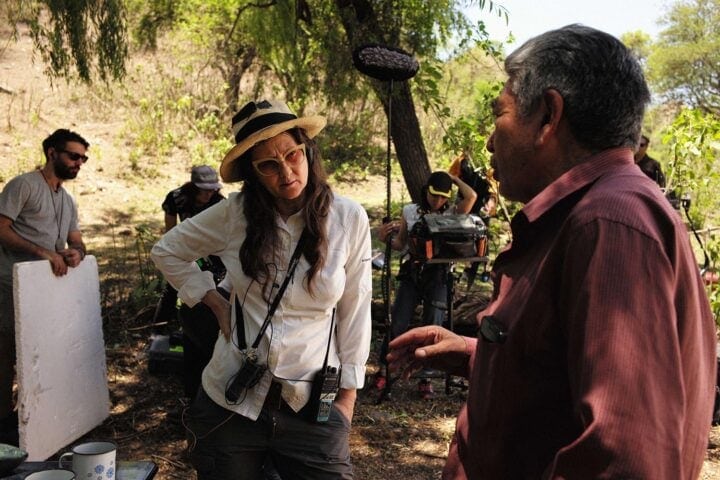
Martel discusses her first nonfiction work, the controversy around its subtitling, and more.
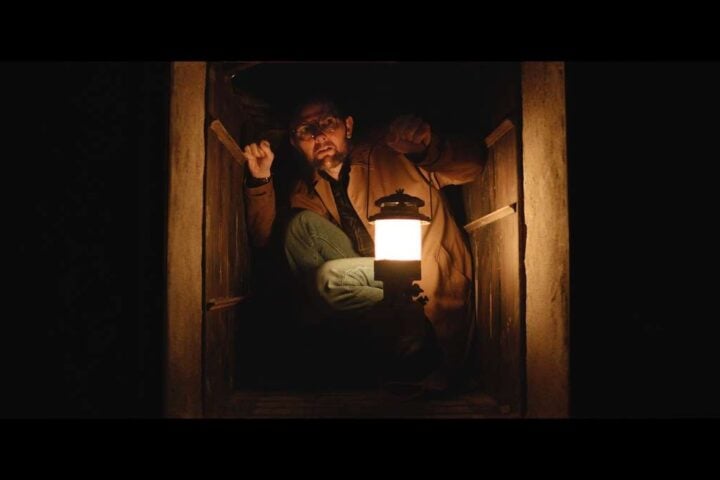
McCarthy discusses working with a bigger budget, crafting scares, and more.
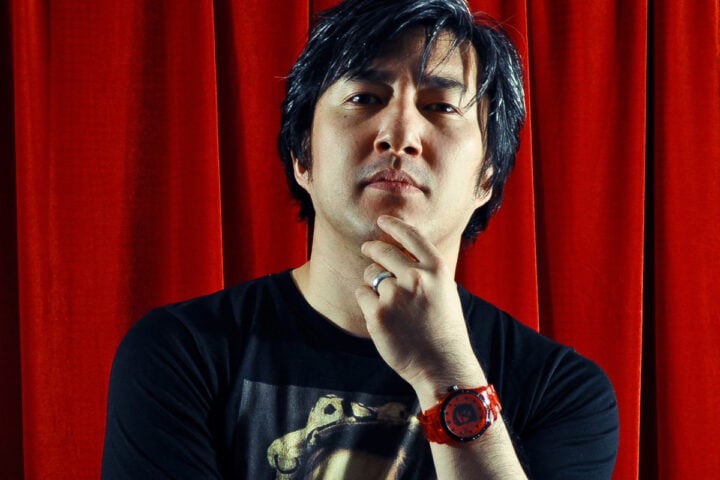
Suda51 discusses his preference for collage aesthetics and artistic collaborations.
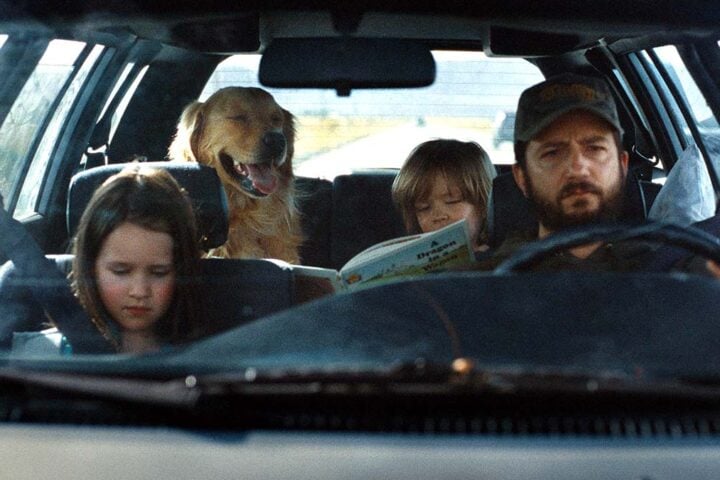
Magaro discusses why he thinks audiences understand his character’s controversial choice.
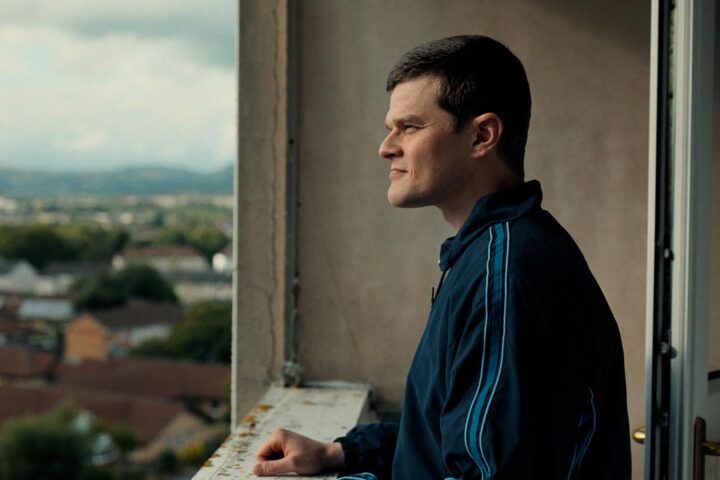
Aramayo discusses how he approached his portrayal of someone with Tourette’s.
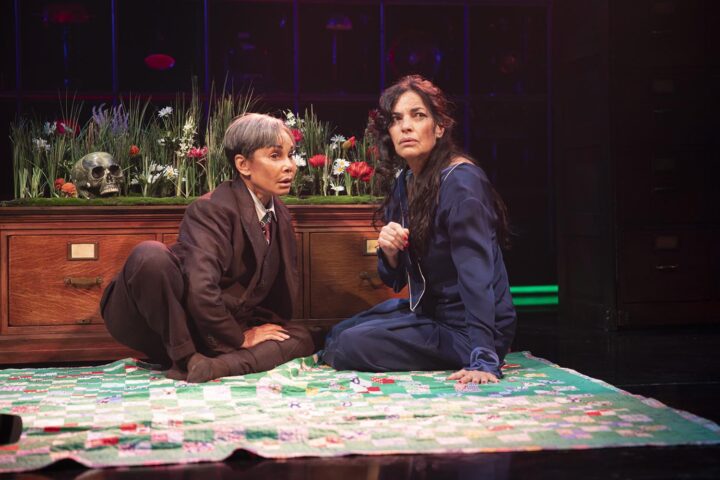
Choudhury discusses acting opposite Daphne Rubin-Vega, working with Mira Nair, and more.
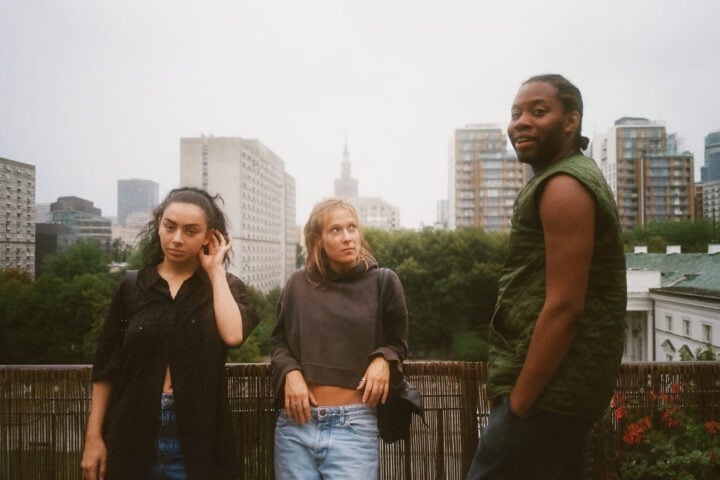
Ohs discusses why he likens his “table of bubbles” filmmaking approach to a scientific method.
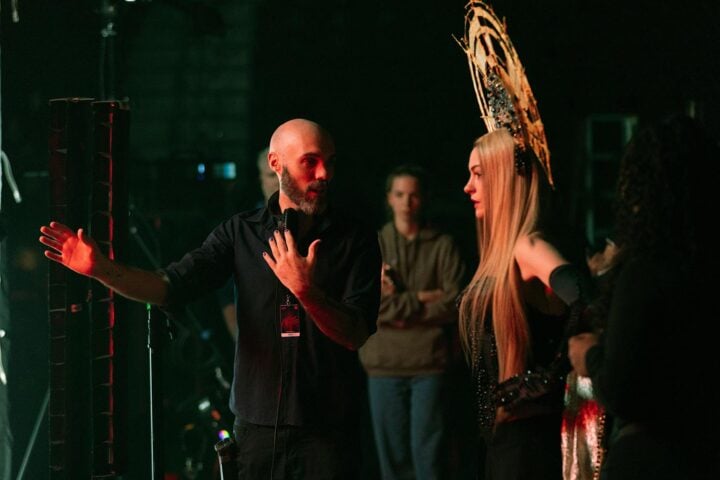
Lowery discusses the creative uncertainty that led him to write Mother Mary.
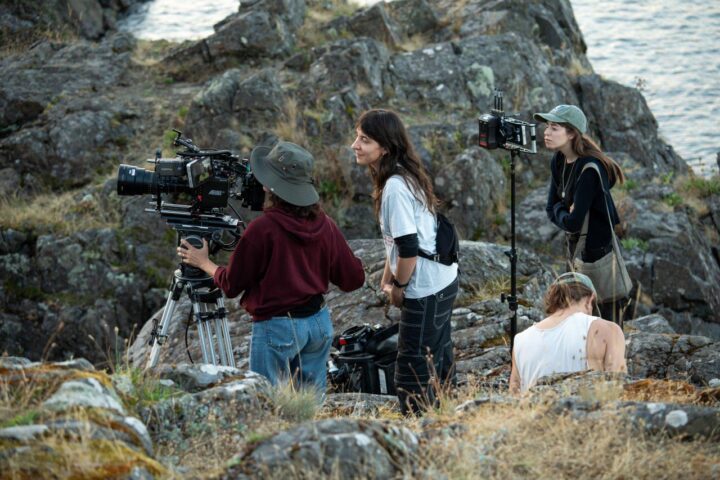
Romvari discusses how her autobiographical first feature builds on her short work.
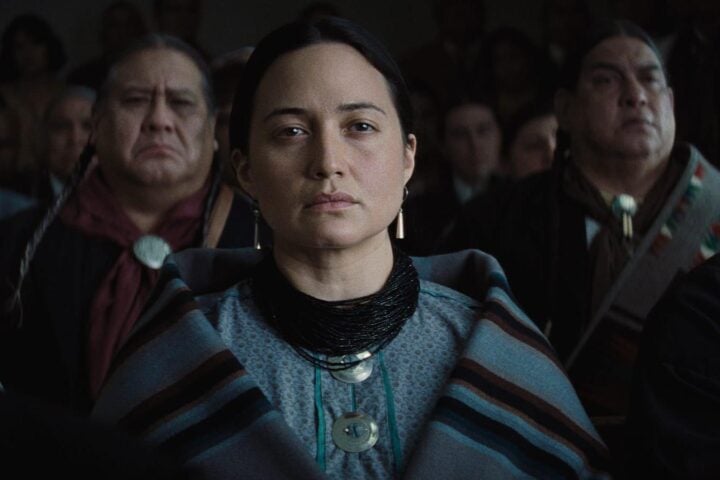
Gladstone discusses what she still carries from her experience playing Mollie Kyle.
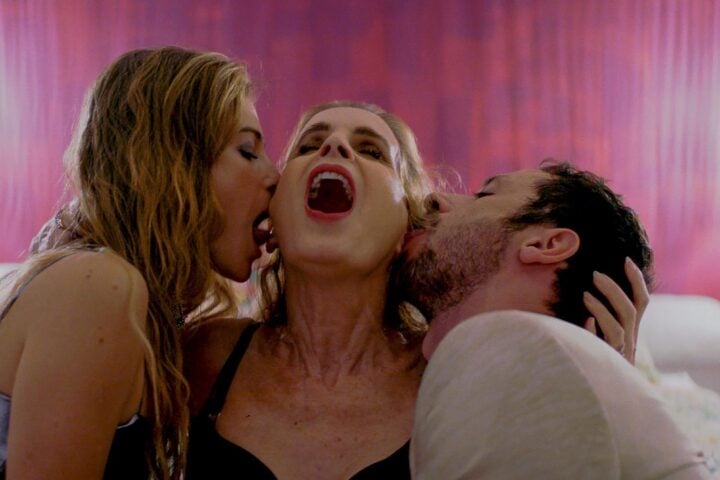
Lapid discusses the necessity of shooting Yes while the carnage in Gaza unfolded.
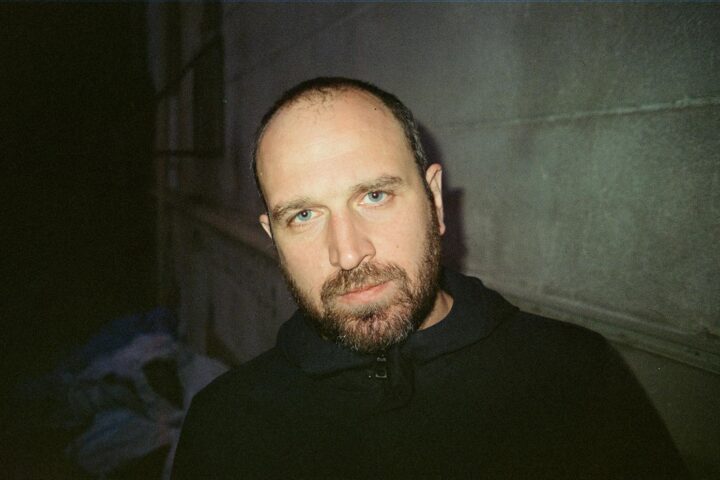
Koberidze discusses his Sony Ericsson-shot feature and why he’s fascinated by pixelated images.
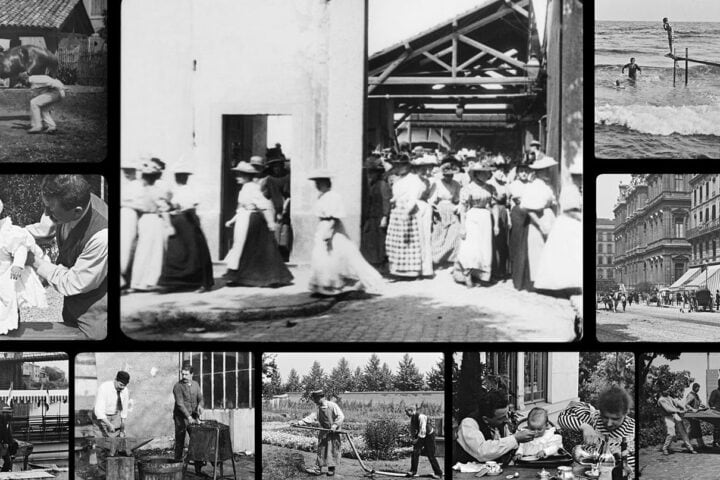
Frémaux corrects the record on the Lumières’ importance to cinematic history.